



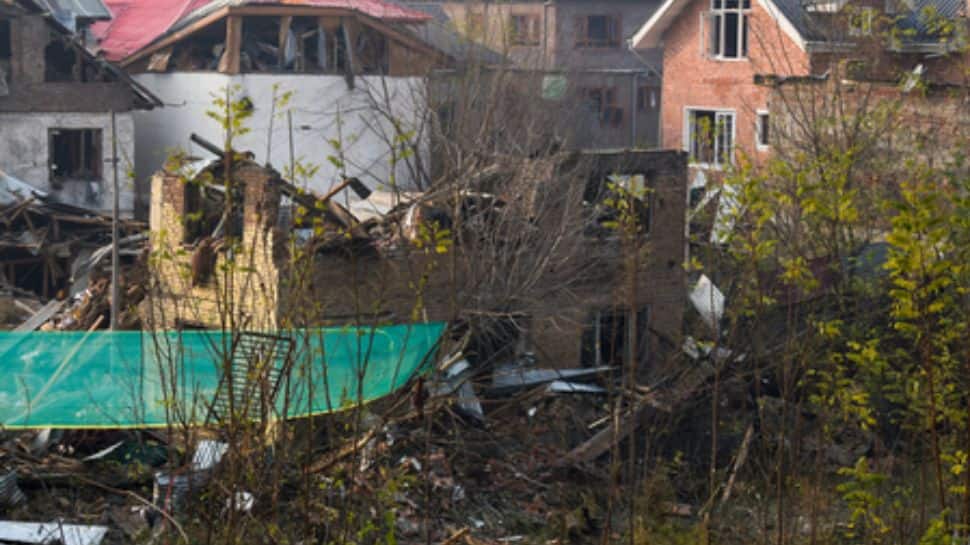
A significant accidental explosion at the Nowgam Police Station on November 14 has brought renewed attention to the region’s persistent history of terror activities. The blast, which claimed nine lives and injured 27 others, occurred while authorities were processing a large seizure of 2,900 kg of explosive chemicals, including ammonium nitrate, apprehended from a terror module. While officially termed an accident by both the Ministry of Home Affairs and Jammu and Kashmir Police, the intensity of the detonation and the subsequent order for a time-bound probe by Lieutenant Governor Manoj Sinha indicate lingering questions about the precise cause. The powerful blast damaged the police station and surrounding structures, prompting ongoing sanitization operations due to scattered explosive materials. This incident follows intensified security focus on Nowgam since mid-October, stemming from the discovery of a sophisticated ‘white-collar’ terror network involving professionals and linked to Pakistan-based terror outfits. Historically, Nowgam, a key transit route connecting South Kashmir’s militant strongholds to Srinagar, has been a strategically vital corridor for terror networks for over three decades. Its location in South Srinagar provides easy access to volatile districts like Pulwama and Shopian, historically significant for militant recruitment and movement. The area’s semi-urban nature has facilitated terrorist planning and access to the capital. Security forces have a history of successful operations in Nowgam, including the elimination of LeT commander Naveed Jatt and multiple other terrorists. The region also witnessed a major terror attack in 2005, when a car bomb detonated by a Jaish-e-Mohammed operative killed 10 people. Nowgam’s geography, with its narrow lanes and proximity to the National Highway, has historically offered militants escape routes and posed risks to security convoys.