


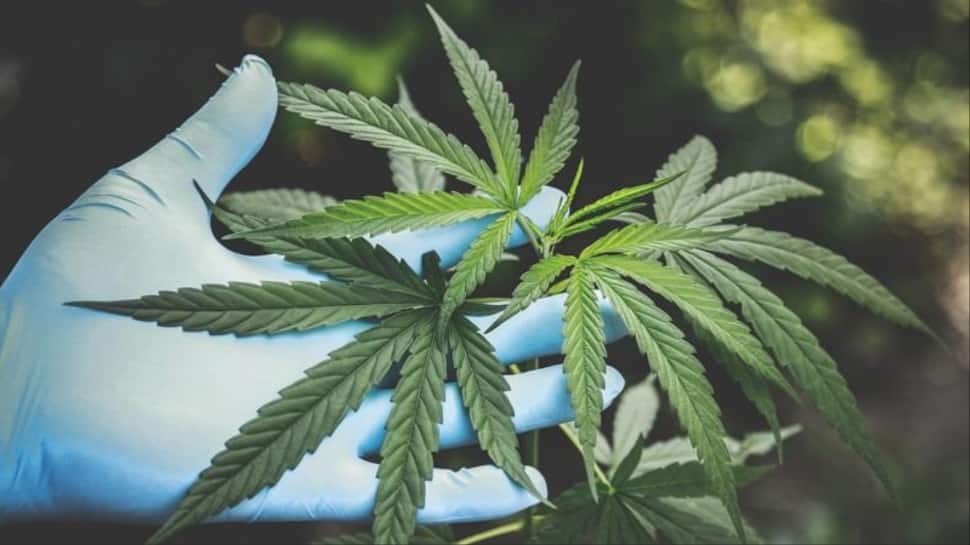
A recent Kerala High Court ruling has clarified a common point of confusion regarding cannabis laws in India: growing cannabis plants at home is a criminal offense, while the consumption and sale of bhang remain legal in many regions. The court dismissed a petition from an individual apprehended for cultivating five cannabis plants on his rented terrace, who argued his plants had not yet produced the ‘ganja’ (flowering tops) defined by law. The court firmly upheld the Narcotic Drugs and Psychotropic Substances (NDPS) Act, 1985, stating it strictly prohibits the cultivation of any cannabis plant, irrespective of its growth stage. The NDPS Act differentiates between the cannabis plant itself and its psychoactive products. ‘Ganja’ specifically refers to the flowering or fruiting tops, and ‘charas’ is the resin. Crucially, cannabis leaves and seeds fall outside the legal definition of narcotic cannabis. This distinction is why bhang, an edible preparation derived from cannabis leaves, is permissible in certain Indian states, often associated with cultural festivals. State governments hold the authority to regulate bhang production and sale, with examples like Uttar Pradesh and Rajasthan permitting licensed vendors, while others, such as Assam, have imposed outright bans. The core legal issue with cultivation is the act of growing the plant itself. Even though leaves are not legally classified as ‘ganja’, cultivating the cannabis plant is a prohibited activity unless explicitly licensed for medical, scientific, or industrial purposes. Courts have consistently interpreted ‘cultivation’ to encompass growing plants in any setting, including pots, gardens, or fields. The offense is rooted in nurturing the plant, not solely in harvesting its illicit parts. Penalties under the NDPS Act are severity-based, tied to the quantity involved. Possession of small amounts of ganja (up to 1 kg) or charas (up to 100 grams) can lead to up to one year in prison, a Rs 10,000 fine, or both. Commercial quantities, such as 20 kg of ganja or 1 kg of charas, attract severe penalties of 10-20 years imprisonment and fines ranging from Rs 1 to 2 lakh. The act of cultivating cannabis plants can result in up to ten years of rigorous imprisonment and significant fines. While the NDPS Act does permit government licensing for cannabis cultivation for specific industrial or medical applications, evident in states like Uttarakhand and Himachal Pradesh allowing industrial hemp production with low THC content, home cultivation remains strictly illegal. Therefore, despite the legal availability of bhang in some areas, nurturing cannabis plants at home carries substantial legal risks.