

A groundbreaking defence agreement between Israel and Germany, valued at 2 billion euros, marks a significant turning point in international military cooperation. This deal, focusing on Israeli-made Spike anti-tank missiles, underscores a profound historical reversal, with Germany now equipping its military with advanced technology from a nation once targeted by Nazi Germany. Israeli officials have described the agreement as one that “turns history on its head,” highlighting the dramatic evolution of the relationship between the two countries.
This unprecedented partnership comes as German Chancellor Friedrich Merz praised Israel’s role in regional security, stating at the G7 summit that Israel was performing “the dirty work for all of us.” This sentiment signifies a deep trust in Israel’s defence capabilities, a stark contrast to historical animosities.
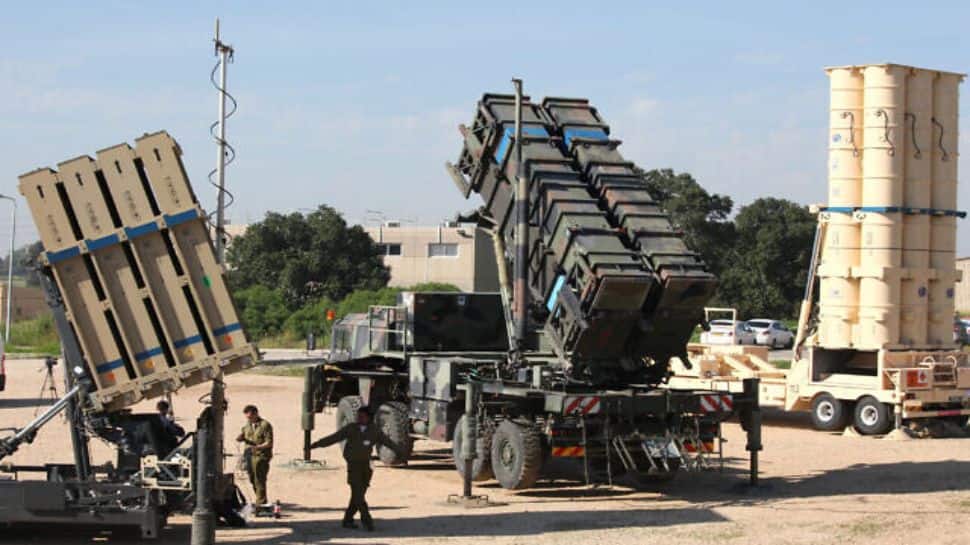
Germany is embarking on a substantial expansion of its defence spending, aiming to create the continent’s most formidable military. Following years of underfunding, the German armed forces are set to receive significant investment. Plans include recruiting young individuals through a lottery system and acquiring a vast array of new equipment, estimated at 37.7 billion euros. A substantial portion of this enhanced military strength will rely on sophisticated Israeli defence technology, including missiles, drones, and air-defence systems.
Leaked documents reveal the scale of this commitment, with significant allocations for Israeli drones from Elbit and ammunition for Heron drones. The 2 billion euro Spike missile deal represents one of Israel’s largest European defence procurements. Furthermore, intelligence cooperation has been evident, with Mossad assisting Berlin in recent arrests. Germany also previously acquired the Arrow-3 missile defence system from Israel for 4 billion euros in 2023, a system capable of intercepting intercontinental ballistic missiles.
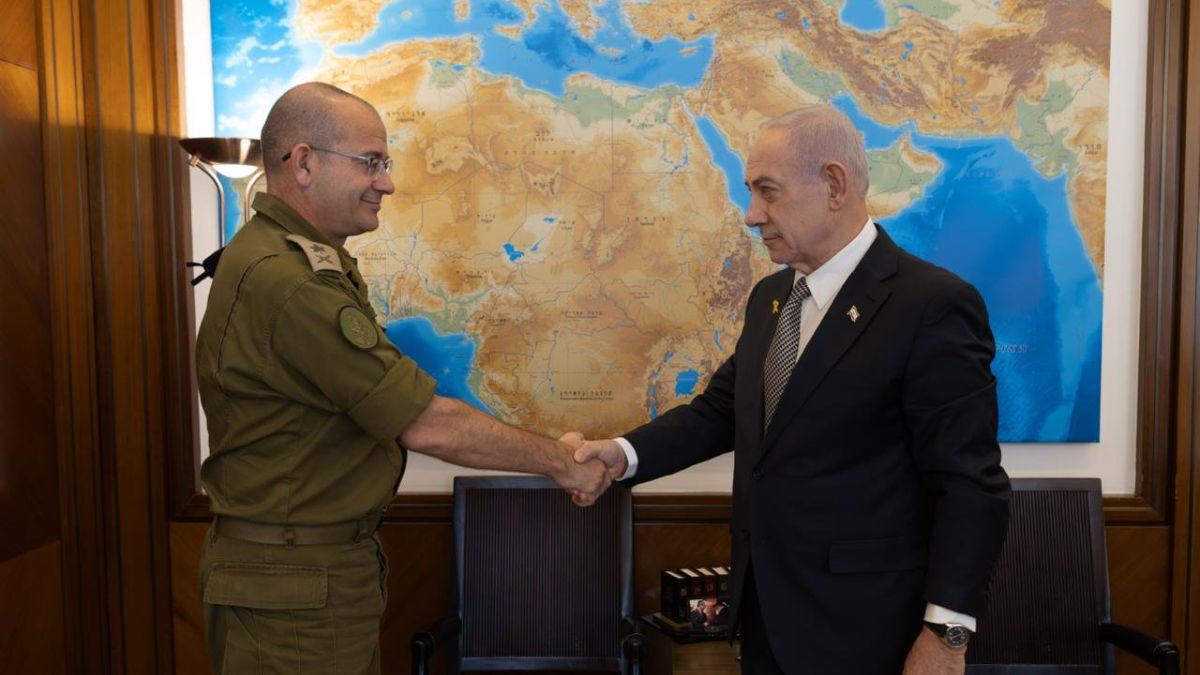
Major General Amir Baram of Israel’s Ministry of Defence expressed pride in this new era, stating, “Germany’s trust in our capabilities sends a message of leaving historical pain behind. We are proud that our systems are now part of Germany’s new army.” Chancellor Merz himself has personal ties to the Holocaust’s history, with his grandfather having been a Nazi party member. His recent emotional engagement at a reopened Munich synagogue underscores the weight of this historical context.
Despite the strong bilateral defence ties, Merz’s pro-Israel stance has drawn criticism within Germany, particularly concerning the conflict in Gaza. While Germany has previously paused weapons shipments to the region, Merz has acknowledged the complexities of the escalating humanitarian crisis. Israel, in turn, has responded to domestic German criticism by stating, “When friends like Merz offer criticism, we listen carefully.”