



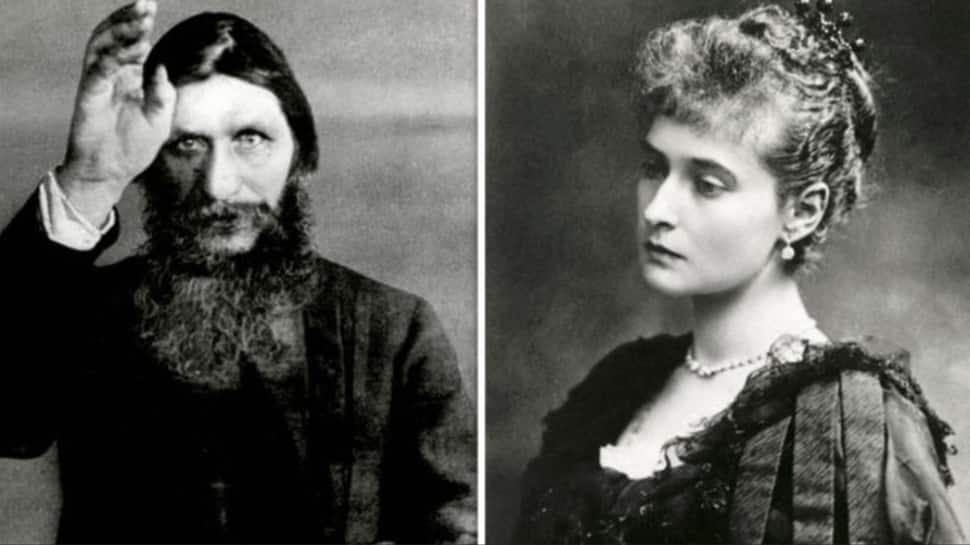
The assassination of Grigori Rasputin, a mystic wielding immense influence over Russia’s Romanov dynasty, remains one of history’s most debated and mythologized events. While modern forensic evidence suggests a swift death from a gunshot to the head, accounts from his killers paint a picture of a prolonged, almost supernatural struggle. On December 29, 1916, a group of anxious nobles, led by Prince Felix Yusupov, lured Rasputin to the Moika Palace with a deadly plot.
According to the autopsy, Rasputin succumbed to three bullet wounds. However, the conspirators’ narrative details a multi-stage ordeal. Their attempt to poison Rasputin with cyanide-laced tea and wine proved futile; he showed no adverse reactions, leaving his assassins astonished. Prince Yusupov then shot Rasputin in the chest. Believing the ‘Mad Monk’ dead, they departed, only for Yusupov to return and find Rasputin alive, twitching and enraged. In a terrifying turn, Rasputin attacked Yusupov before fleeing into the courtyard, pursued by the plotters. Deputy Vladimir Purishkevich fired two more shots, one hitting Rasputin’s head, finally incapacitating him. His body was then wrapped, chained, and thrown into the Neva River, where hypothermia ultimately claimed his life.
Rasputin, a Siberian peasant, rose to prominence through his purported mystical abilities, gaining an audience with Tsar Nicholas II and Tsarina Alexandra. The Tsarina sought his help for her hemophiliac son, Alexei, whose symptoms Rasputin seemed to alleviate. This made him indispensable, though his subsequent political advice proved disastrous for the monarchy.
Ironically, the assassination, meant to preserve the Romanovs, hastened their downfall. Rasputin had warned of disaster for anyone who harmed him. His death was celebrated, but without him to blame, public ire focused directly on Tsar Nicholas II, leading to the 1917 Russian Revolution and the end of the monarchy.