


A severe wheat shortage is gripping Gilgit-Baltistan, leaving residents struggling to access a basic staple and fueling widespread discontent directed at the federal government. Long queues form before dawn outside ration shops as desperate families, armed with empty bags and tokens, hope for a share of the meager supplies. For weeks, obtaining subsidized wheat, crucial for surviving the harsh winter, has become a significant challenge. Households across Gilgit, Skardu, Hunza, and surrounding areas report uncertainty about even affording basic meals, with local traders confirming a sharp increase in market prices pushing the essential grain beyond the reach of many.
Community leaders and residents contend that this shortage is not accidental but a deliberate consequence of systemic neglect. They argue that Gilgit-Baltistan, already lacking political rights, is systematically denied timely access to essential resources. A shopkeeper in Skardu lamented, “Whenever resources are scarce, this region is the first to suffer and the last to recover. This has been the reality for years.”
This food insecurity crisis coincides with crippling electricity outages plaguing the region. Many areas experience power cuts for the majority of the day, severely impacting businesses reliant on refrigeration and heating. Students facing exams are forced to study by candlelight, a stark contrast to a region that contributes significantly to Pakistan’s hydropower generation. Residents believe the core of these issues stems from Islamabad’s governance structure, as Gilgit-Baltistan remains outside Pakistan’s constitution. Lacking representation in national legislative bodies and access to the Supreme Court, decisions regarding land, water, and revenue are made remotely, leaving locals with minimal influence over their region’s management. This has fostered a sentiment that the region is exploited for its resources while receiving little in return.
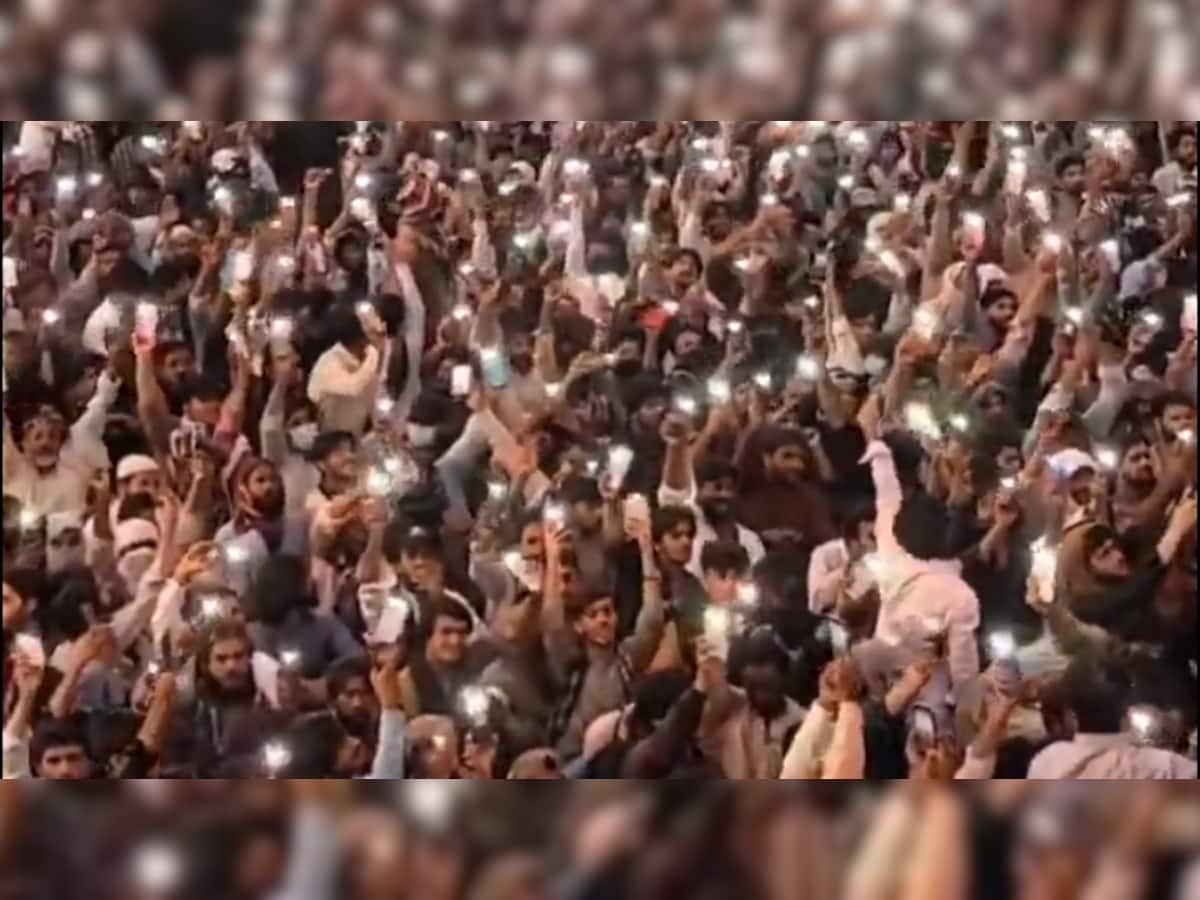
Civil society organizations point out that the current winter’s wheat shortage could have been mitigated had federal authorities acted proactively. Despite multiple warnings from local administrations about declining supplies, officials allegedly offered routine reassurances and cited transportation delays rather than increasing shipments. As the situation deteriorates, street protests have emerged. Videos circulating show demonstrators demanding the restoration of subsidized supplies and an explanation for the irregular distribution. Elderly residents recount returning home empty-handed repeatedly, a hardship seldom seen even in previous difficult winters.
Many protesters connect the food crisis to a broader pattern of perceived mistreatment by Islamabad. This includes land acquisition for development projects without fair compensation, hydropower being exported while local areas remain in darkness, and major projects initiated without local consultation. They view this as evidence of a governance model that marginalizes Gilgit-Baltistan despite its strategic importance. For families here, the immediate concern is securing enough wheat to survive the week. With winter intensifying and no clear plan from Islamabad, fears are mounting that the crisis will deepen. Residents express exhaustion with promises of patience, believing the persistent shortages reveal a fundamental flaw: a region rich in natural resources is struggling for basic necessities due to its limited voice in national decision-making.