


A severe wheat shortage is gripping Gilgit-Baltistan, causing widespread distress and intensifying public anger towards Islamabad. Long queues form before dawn outside ration shops, with residents holding empty bags and tokens, often leaving without the essential grain. This scarcity of subsidized wheat, crucial for surviving the harsh winters, has made securing even basic meals a daily struggle for families across Gilgit, Skardu, Hunza, and other areas. Local traders report a sharp increase in market prices, pushing the staple food beyond the reach of many.
Community groups are voicing strong concerns, alleging that the wheat shortage is not accidental but a deliberate pattern of neglect towards Gilgit-Baltistan, a region already denied political rights. They claim the area consistently suffers first during resource shortages and recovers last. This food insecurity is compounded by crippling electricity outages, leaving many neighborhoods without power for extended periods. Businesses reliant on refrigeration and heating are struggling, while students face difficulties studying for exams amidst frequent blackouts, a stark irony in a region that generates significant hydropower for Pakistan.
Residents attribute these persistent issues to Islamabad’s governance structure. Gilgit-Baltistan remains outside Pakistan’s constitutional framework, lacking representation in national legislative bodies and access to the Supreme Court. Decisions concerning land, water, and revenue are made remotely, leaving locals with minimal influence over their region’s management. Many now perceive the system as exploitative, extracting resources without providing adequate returns.
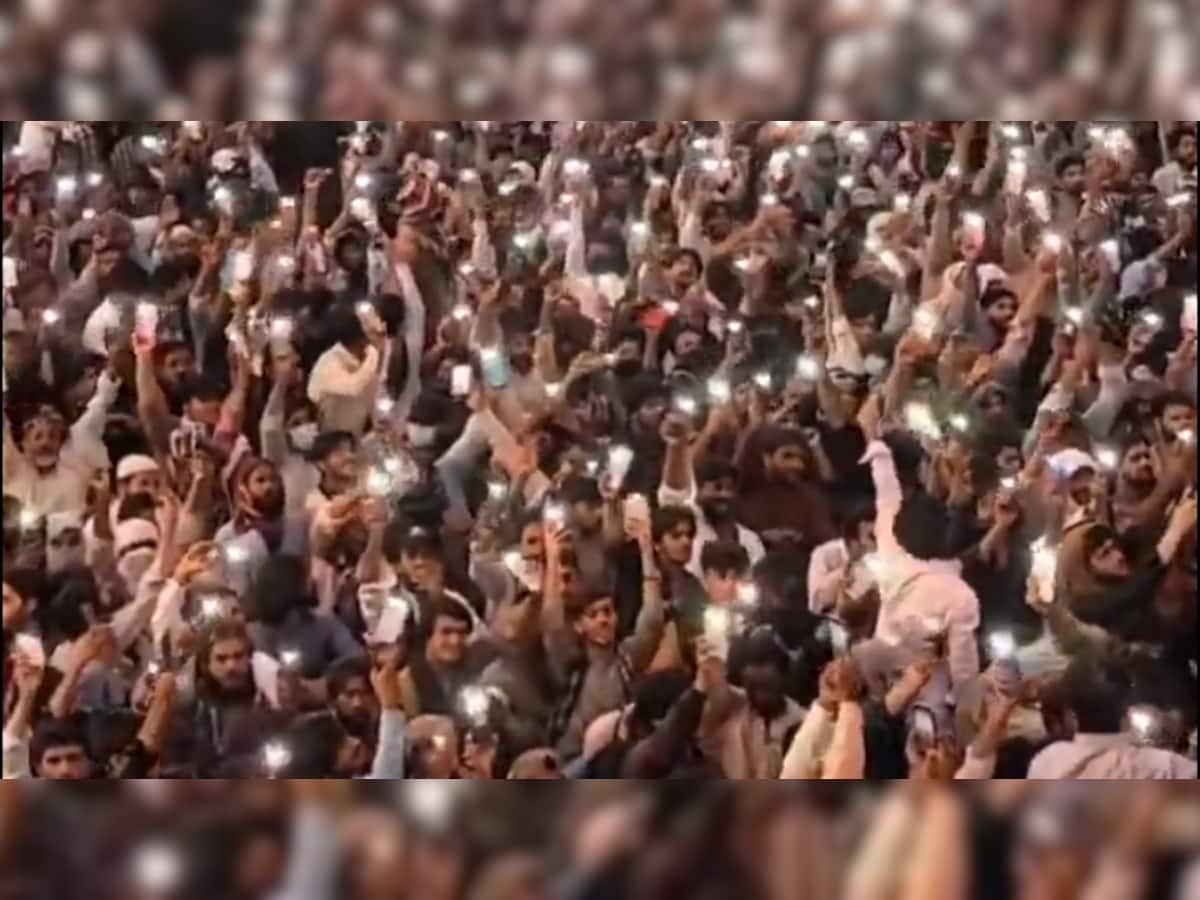
Civil society organizations point out that the current winter’s wheat crisis could have been averted with timely federal intervention. Despite repeated warnings from local administrations about dwindling supplies, officials offered routine reassurances and cited transport delays instead of increasing shipments. As the shortages worsened, street protests erupted, with citizens demanding the restoration of subsidized supplies and an explanation for the erratic distribution. Elderly residents are recounting days of returning home empty-handed, a hardship rarely experienced even in previous difficult winters.
Protesters link the food crisis to what they describe as Islamabad’s broader neglect, citing land acquisition for development projects without fair compensation, hydropower export while local communities face darkness, and unconsulted major projects. They argue this points to a governance model that treats Gilgit-Baltistan as a peripheral entity, despite its strategic importance. For the people of Gilgit-Baltistan, the immediate concern remains securing enough wheat to survive. With winter intensifying and no clear solutions from Islamabad, fears of an escalating crisis are mounting. Residents express weariness with assurances of patience, believing the ongoing struggle for basic food highlights a deeper issue: a region rich in natural resources left to fend for itself due to its diminished political voice.