

Peaceful assembly crackdowns in China, often visible in major hubs like Shanghai, extend their chilling effect far beyond urban centers. Even minor neighborhood gatherings in Shanghai are swiftly dispersed, sending ripples of fear to distant regions like Xinjiang, Tibet, and Inner Mongolia. For ethnic minority communities, these actions serve as a stark reminder that dissent is not tolerated anywhere in the country. While these regions have long endured restrictive controls, the way authorities manage civic expression in coastal cities reinforces a pervasive climate of fear. Incidents in Shanghai act as a warning signal for Uyghurs, Tibetans, and Mongolians, underscoring that the state’s limits on expression are universal and any attempt to speak out, however restrained, carries significant risk.
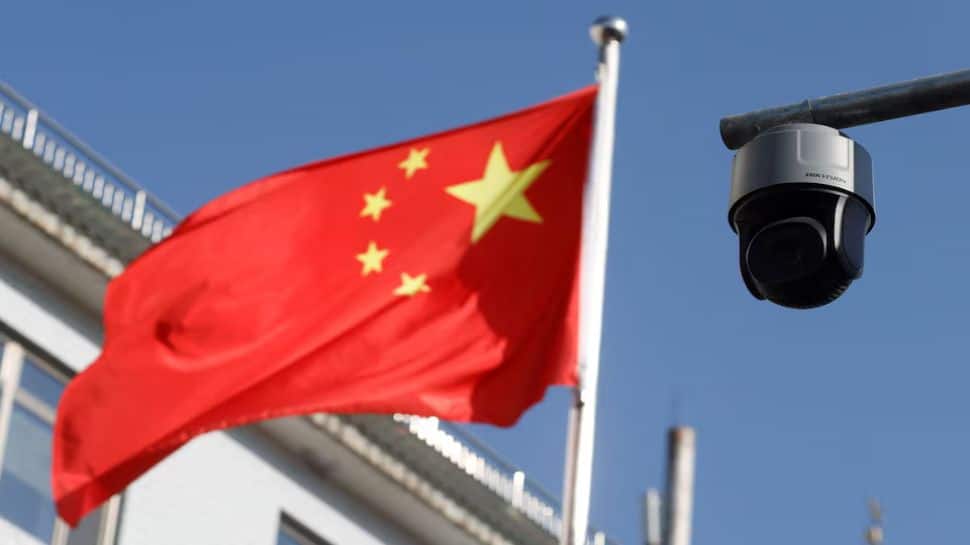
The pattern of control is consistent. Authorities in major cities like Shanghai, with its international presence, meticulously monitor and suppress public expression. This response is observed keenly by minority groups. The implicit message is clear: if peaceful gatherings are deemed unacceptable in a global financial hub, they are even more intolerable in regions already considered ‘sensitive.’ This reinforces the understanding that any unapproved expression, regardless of its scale or locality, is deemed unacceptable by the state. The methods employed—early, quiet, and systematic interventions—amplify the sense of omnipresent surveillance. Participants may be questioned or detained discreetly, creating an ‘out of sight, but not out of reach’ dynamic that mirrors long-standing practices in Xinjiang and other minority regions, signaling a nationwide control framework.