


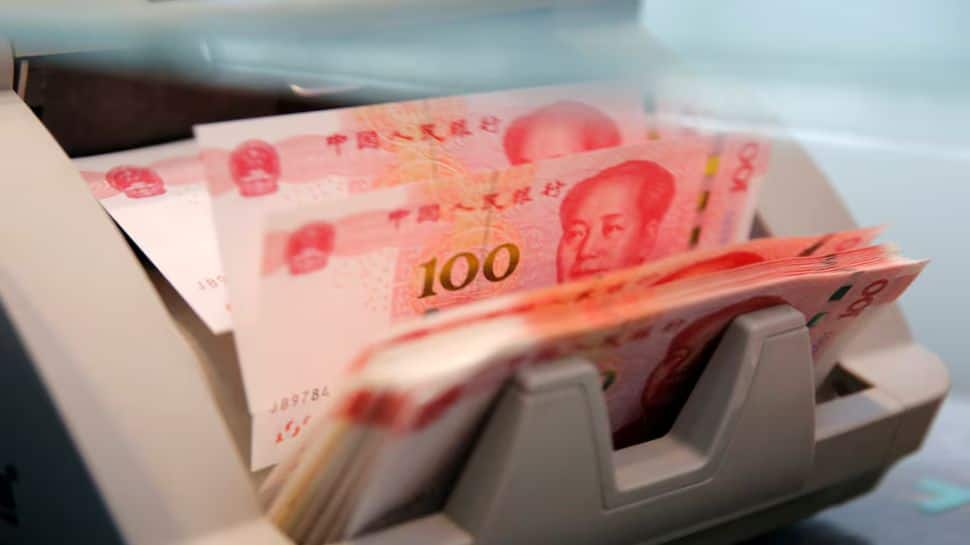
China has emerged as the world’s foremost official creditor, extending its financial reach to nearly 200 nations with a staggering $2.2 trillion in loans and grants disbursed between 2000 and 2023. This vast financial network influences economies from the United States and Russia to Australia and Pakistan. A notable revelation is that the United States stands as China’s largest single borrower, highlighting the immense economic leverage Beijing wields on the global stage.
This financial expansion signifies more than just economic growth; it represents a tangible challenge to existing global power structures. Research indicates that China’s lending strategy is diverse, with less than 6% of funds provided as grants or concessional loans. While approximately 47% of the funding targets poorer nations, a significant 43% is directed towards wealthy, developed countries, demonstrating how both developing and advanced economies are increasingly dependent on Chinese finance.
Beyond direct loans, Chinese state-owned enterprises and banks are actively investing in critical global infrastructure, including airports, pipelines, data centers, and high-tech companies. These investments span over 2,500 international projects, impacting major corporations like Tesla, Amazon, and Boeing. The Belt and Road Initiative, while prominent, accounts for only about 20% of China’s total overseas lending. A substantial portion of its financial influence now targets technology and semiconductor sectors in developed nations, allowing China to strategically control future technological advancements.
The trend in lending has shifted dramatically. In 2000, only 11% of Chinese loans went to developed countries; by 2023, this figure soared to 75%. The top borrowers underscore this shift, with the United States leading at $202 billion, followed by Russia ($172 billion) and Australia ($130 billion). These financial strategies indicate China’s aim to influence global politics, secure resource access, and play a decisive role in shaping international relations and future technologies.