




India is gearing up for a significant missile test near the Andaman and Nicobar Islands, a strategic location for critical defense operations. A pre-scheduled no-fly zone was established over a portion of the Bay of Bengal from November 25th to 27th, signaling preparations for a major trial. However, the operation has been complicated by the unexpected appearance of three Chinese surveillance vessels in the Indian Ocean.
These advanced Chinese ships, renowned for their intelligence-gathering capabilities, have positioned themselves in areas that could potentially compromise India’s planned missile test. Two of these vessels are operating in close proximity to the Andaman and Nicobar region, while a third is located near the Maldives, reportedly conducting ‘research activities’ which are widely interpreted as strategic reconnaissance by defense agencies.
The presence of these ships raises serious concerns as they are equipped with sophisticated sensors capable of mapping the seabed, tracking submarines, and capturing vital data for underwater warfare. They can also monitor airborne weapons systems, including signal and launch patterns. If the Chinese fleet remains in the vicinity during India’s missile trial, there is a significant risk of sensitive information being intercepted, potentially jeopardizing the test’s success and India’s strategic advantage.
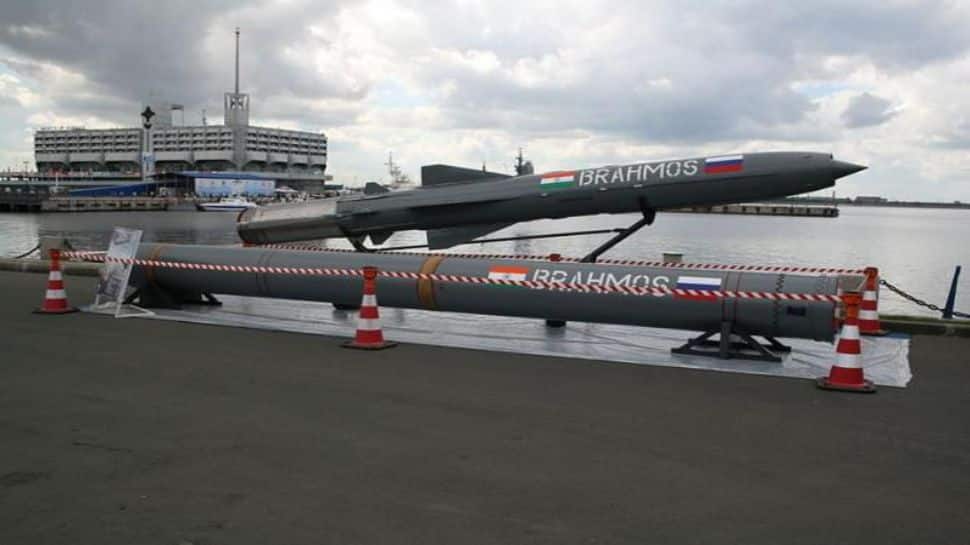
Sources indicate that India might be compelled to postpone the missile test if the Chinese vessels do not move out of the designated operational area. The chosen test zone, extending up to 490 kilometers around the Andaman and Nicobar Islands, strongly suggests the trial involves the extended-range variant of the BrahMos anti-ship cruise missile. This formidable weapon is designed for high-speed, low-altitude strikes against enemy warships, offering minimal reaction time.
The specific Chinese ships identified near India’s test range include Xi Yan 6, which entered the Indian Ocean via the Malacca Strait, and Shen He Yi Hao, stationed south of the Andaman chain. Lian Hai 201 is conducting seabed surveys near the Maldives. While China labels these as research vessels, defense experts view them as integral to Beijing’s military intelligence network, gathering data for submarine deployment and naval operations under the guise of oceanographic studies.
The geopolitical implications are substantial, with New Delhi closely monitoring the situation. The unfolding events highlight the ongoing shadow game in the Indian Ocean, where India’s strategic maneuvers are met with China’s probing intelligence operations. The final decision on proceeding with the missile test hinges on the actions of these Chinese surveillance ships in the crucial hours ahead.