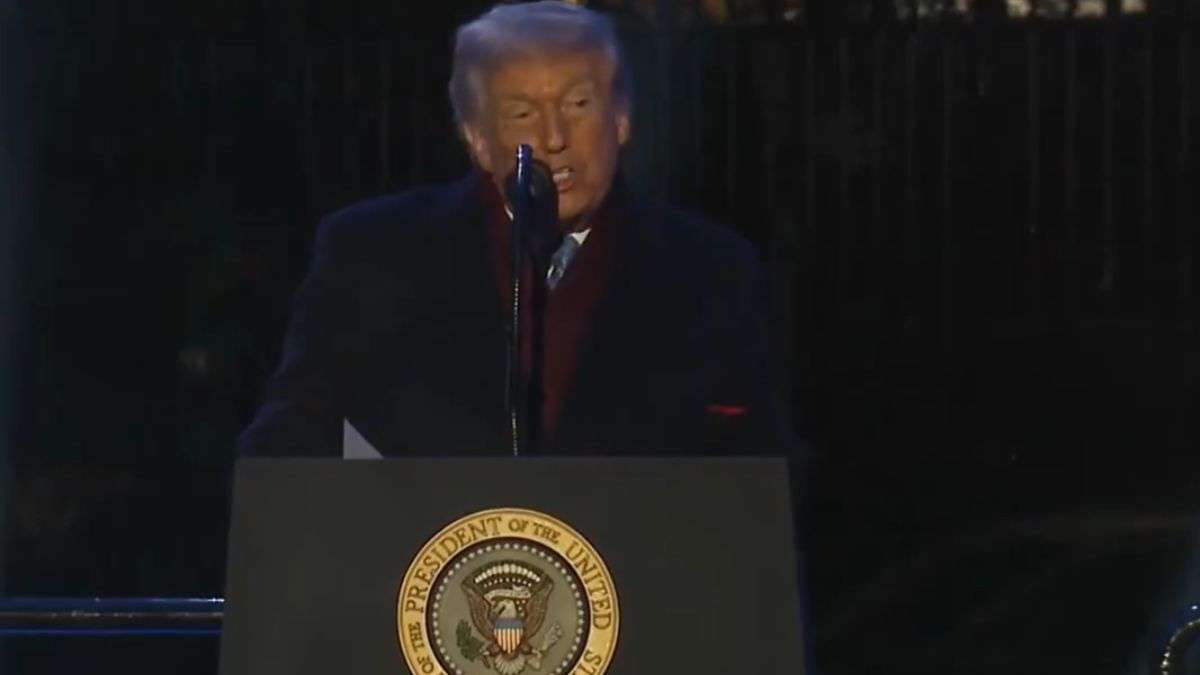



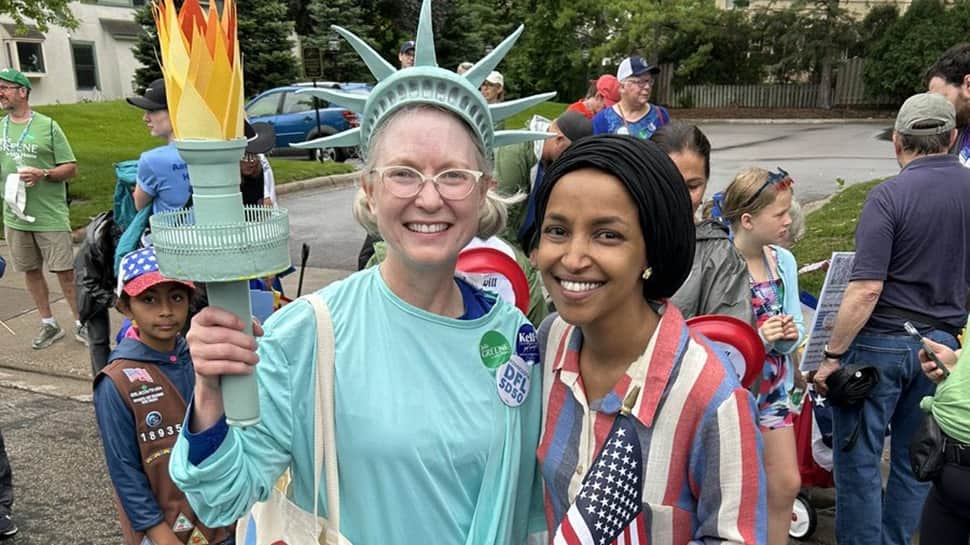
US President Donald Trump recently ignited controversy by referring to Somali Americans as “garbage” and suggesting many should be deported. He specifically targeted Congresswoman Ilhan Omar, calling her and her allies “garbage” and claiming they “contribute nothing.” This inflammatory rhetoric has drawn widespread condemnation and highlighted Omar’s political journey and past controversies.
Born in Mogadishu, Somalia, in 1982, Ilhan Omar arrived in the U.S. as a refugee with her family. After several years in a Kenyan refugee camp, they settled in Minneapolis. Omar made history in 2019 as the first Somali-American elected to the U.S. Congress and is one of the first two Muslim women to serve. She represents Minnesota’s 5th Congressional District.
Before her congressional career, Omar served in the Minnesota House of Representatives and worked as an advocate for immigrant and minority communities. In Congress, she has supported progressive policies, including student debt relief, a $15 minimum wage, immigration reform, universal healthcare, and civil rights.
Amidst the recent remarks, allegations concerning Omar’s personal history have resurfaced, particularly a marriage that some claim was illegal and potentially involved her brother. Proponents of this theory suggest fraudulent citizenship acquisition, leading to demands for her denaturalization and deportation, especially from Trump supporters. However, official investigations by U.S. authorities, including the FBI and House ethics committees, found insufficient evidence to pursue legal action. No charges have been filed against her.
Omar has also faced criticism in India for her statements on Kashmir and human rights. Her 2022 visit to Pakistan-Occupied Kashmir (PoK) and subsequent remarks suggesting increased U.S. attention to alleged human rights violations in Kashmir were met with strong condemnation from India’s Ministry of External Affairs. She has also supported congressional resolutions critical of India’s human rights and religious freedom record.
Regarding deportation, U.S. law allows for denaturalization and deportation only with clear, convincing evidence of fraud in obtaining citizenship. As no such findings have been made against Omar, and previous investigations concluded without charges, calls for her deportation are considered legally unsubstantiated. Furthermore, denaturalizing a sitting member of Congress presents significant constitutional and political hurdles, leading many to dismiss these calls as politically motivated.