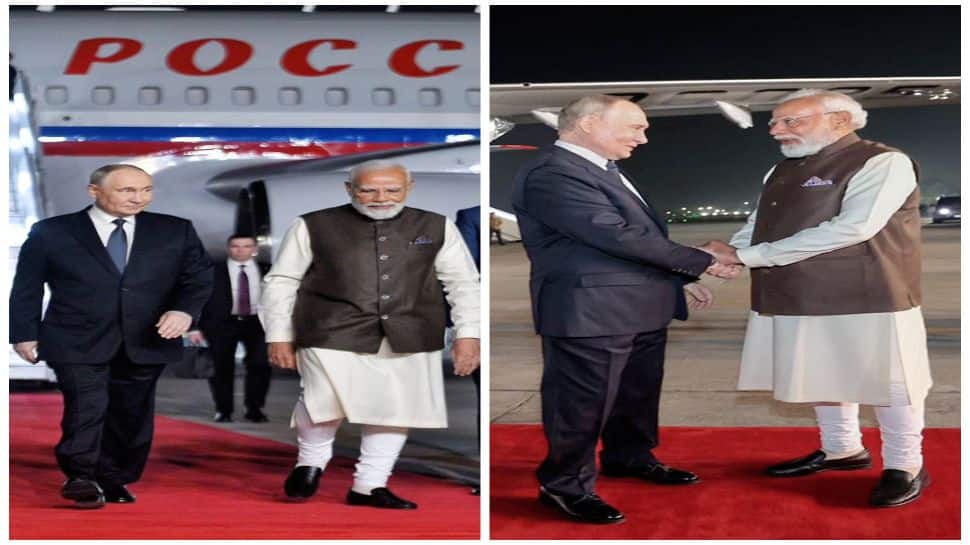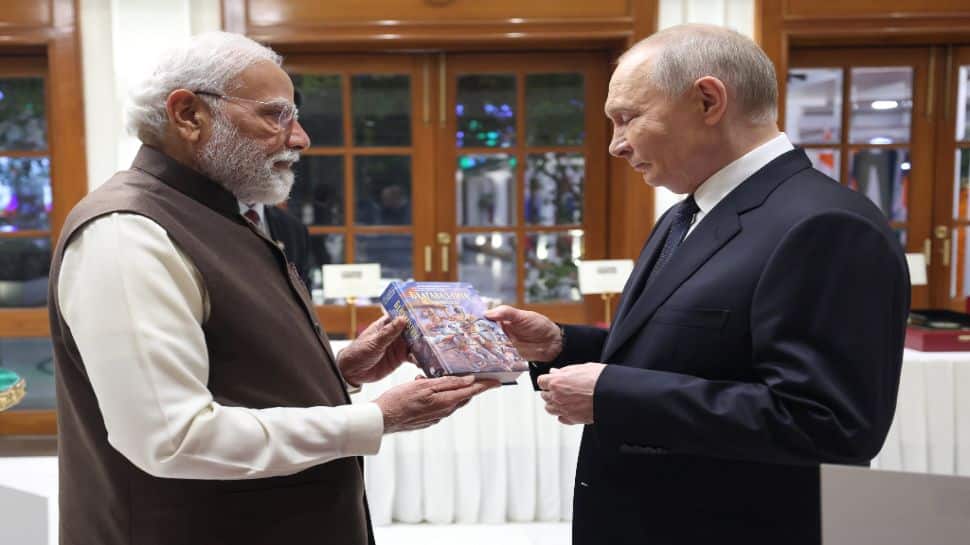


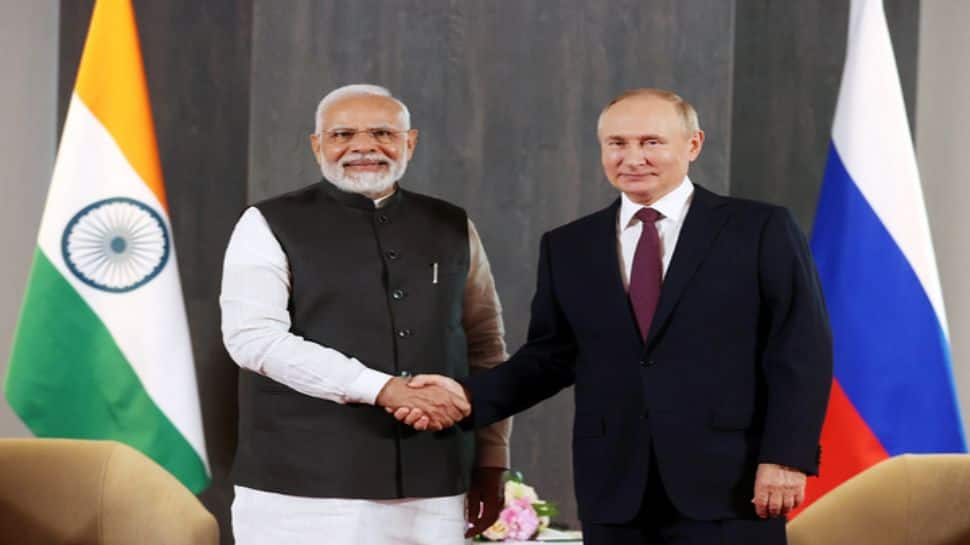
As President Vladimir Putin prepares for his visit to New Delhi, Russia has publicly conveyed its readiness to elevate its relationship with India to unprecedented levels. Moscow’s spokesperson, Dmitry Peskov, stated that Russia is open to expanding cooperation with India as far as New Delhi is willing to go, drawing a parallel with its “special strategic partnership” with China. This offer places the onus on India to decide the future trajectory of the bilateral ties.
Peskov acknowledged that India faces external pressure regarding its relationship with Russia. He emphasized the importance of safeguarding bilateral trade and ensuring that the India-Russia partnership remains insulated from any third-country influence. “Our approach with India is the same. As far as India is ready to go, we are prepared to go that far,” Peskov remarked during a press briefing.
This strategic overture comes as India navigates a complex geopolitical landscape, balancing its long-standing defense and energy ties with Russia against its deepening strategic and economic partnerships with Western nations, particularly the United States. Analysts suggest Russia’s move aims to counter its growing reliance on China by offering India an equally significant strategic alignment.
The potential implications of India accepting this offer are significant, potentially reshaping regional dynamics in areas like Ukraine war diplomacy, BRICS+ initiatives, energy flows, and the Indo-Pacific balance. However, India faces the challenge of accepting such a deep partnership without alienating Western allies or compromising its principle of strategic autonomy. The outcome hinges on New Delhi’s ability to manage these competing interests and pressures.