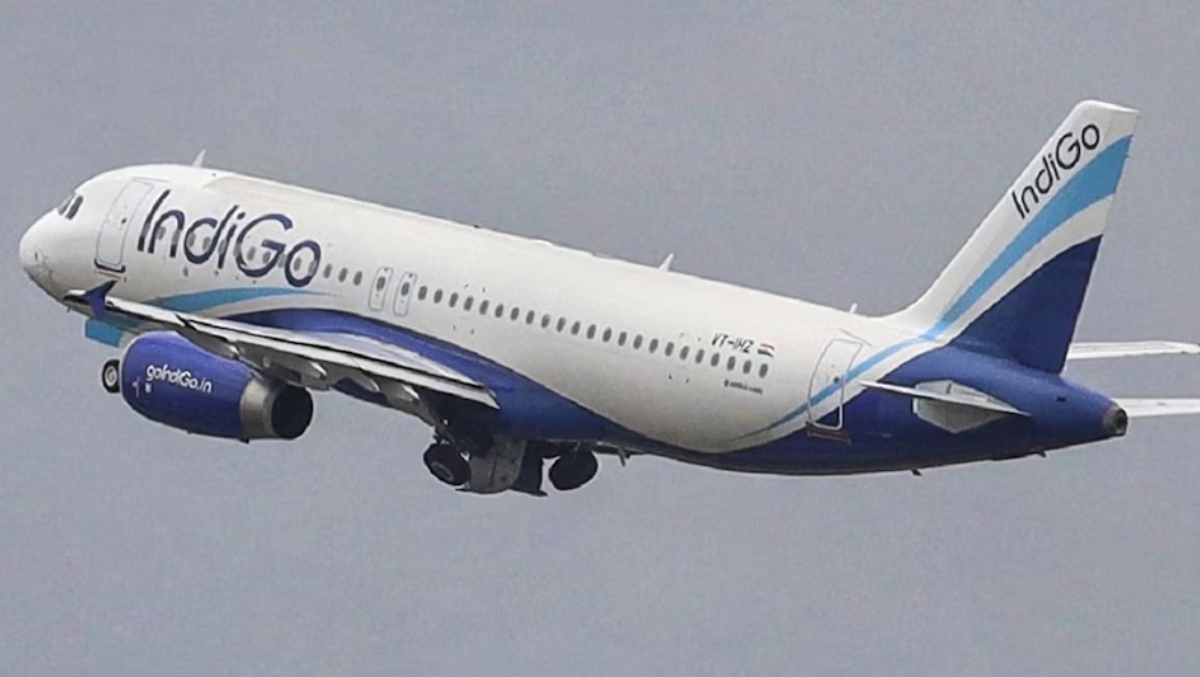




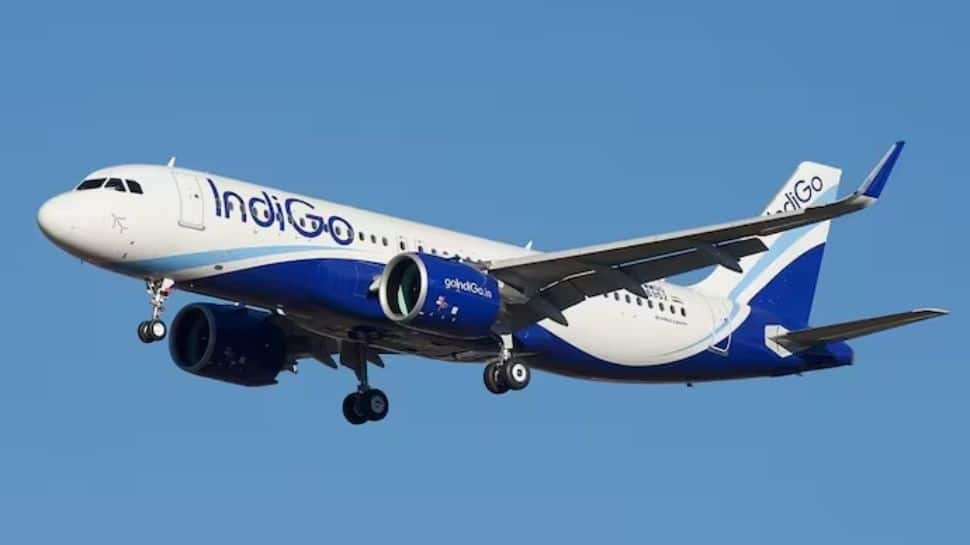
Thousands of travelers faced travel turmoil this week as India’s largest airline, IndiGo, experienced a significant operational breakdown. Over 200 flights were canceled nationwide between Tuesday and Wednesday, with hundreds more subjected to lengthy delays. Passengers at airports found themselves in chaotic scenes, with long queues and constantly updating cancellation notices. Airport staff struggled to manage the growing crowds as the airline grappled with the widespread disruption.
The cascading effect stemmed from a confluence of factors. Crew shortages, newly implemented flight duty time limitations (FDTL), technical issues at major airports, and the usual winter travel congestion all contributed to the gridlock. The airline’s extensive network, which operates around 2,200 flights daily, proved particularly vulnerable to these combined pressures.
The most critical pressure point was crew availability. Stricter FDTL regulations, effective since November 1, have reduced pilot working hours and increased mandatory rest periods. This has created a significant shortage of legally eligible crew members, leading to flights being grounded. In many cases, entire flight sequences were scrapped because pilots, once their legally mandated rest periods were applied, could no longer operate subsequent flights.
These new FDTL norms have necessitated a complete overhaul of pilot rosters and flight schedules. IndiGo’s dense network and a substantial number of night operations meant that the scheduling system struggled to adapt to the revised requirements. This led to immediate crew shortages on busy routes.
Compounding these internal issues, technical malfunctions at Delhi and Pune airports disrupted check-in and departure control systems. These delays created a domino effect, leading to missed departure slots and impacting aircraft rotations. Given IndiGo’s tightly integrated operations, minor delays at key hubs quickly escalated into nationwide disruptions.
The winter season, characterized by high passenger volumes and frequent fog, further strained the already congested aviation system. IndiGo’s tightly packed schedule offered little buffer for delays, causing initial disruptions to snowball throughout the day. Official data revealed a dramatic drop in IndiGo’s on-time performance, falling to just 35% on Tuesday, with over 1,400 flights delayed. The Directorate General of Civil Aviation (DGCA) also recorded 1,232 cancellations across November.
The DGCA’s enhanced FDTL rules, designed to bolster safety, impose stricter rest periods, duty limits, and reduce night landings. These include caps of eight flight hours daily, 35 weekly, 125 monthly, and 1,000 annually. Crew members require rest twice their last duty duration, with a minimum of 10 hours in any 24-hour period. Airlines like IndiGo, with extensive overnight operations and high crew utilization, were more exposed to these changes.
While all airlines are subject to the new norms, IndiGo’s dominant market share and extensive network make it more susceptible to widespread impacts. Its reliance on high crew utilization and numerous night flights means that scheduling adjustments under the new rules created immediate gaps. Unlike smaller carriers, IndiGo’s vast operational web offers less flexibility for rapid crew reshuffling.
The airline is implementing ‘calibrated adjustments’ and expects operations to normalize within approximately 48 hours. This involves reallocating crews, revising night schedules, and planning cancellations to prevent further last-minute chaos. Passengers are advised to verify flight statuses before heading to the airport.