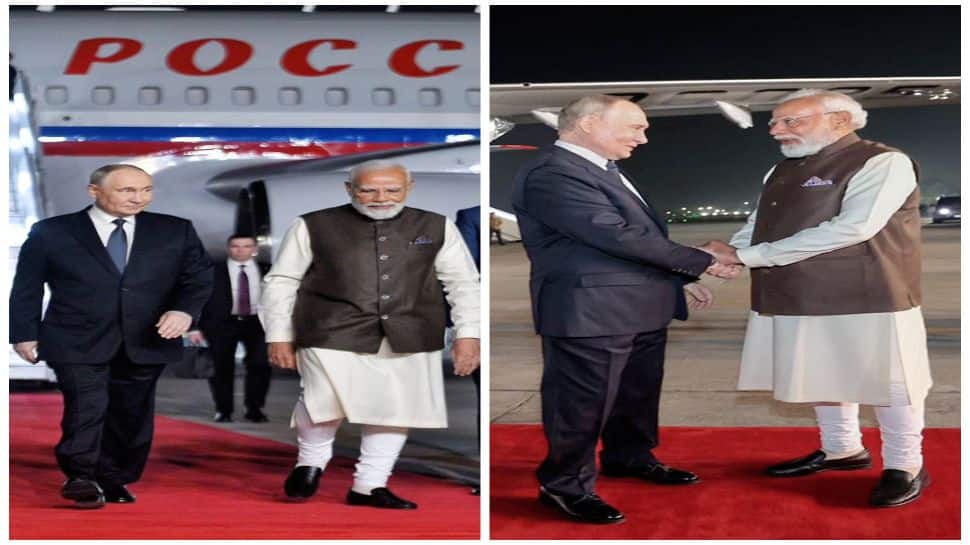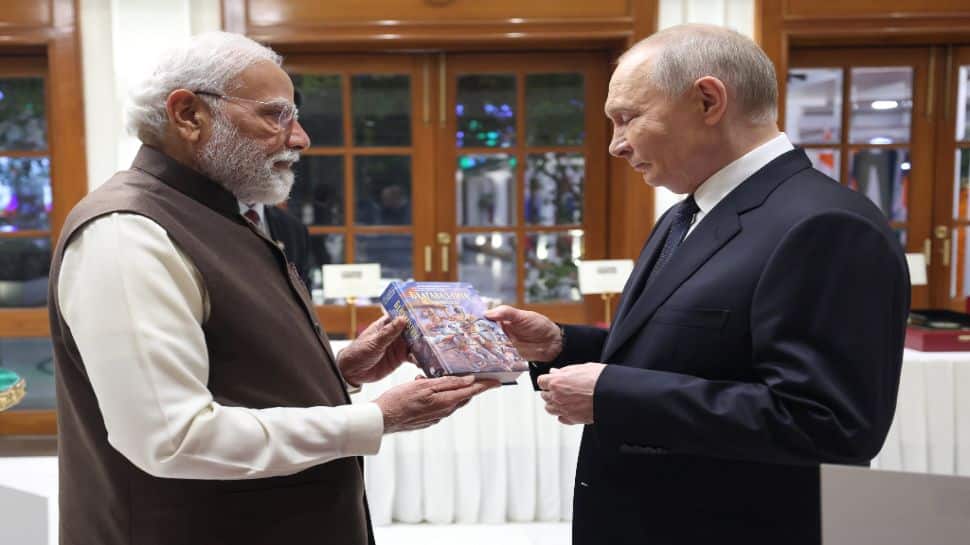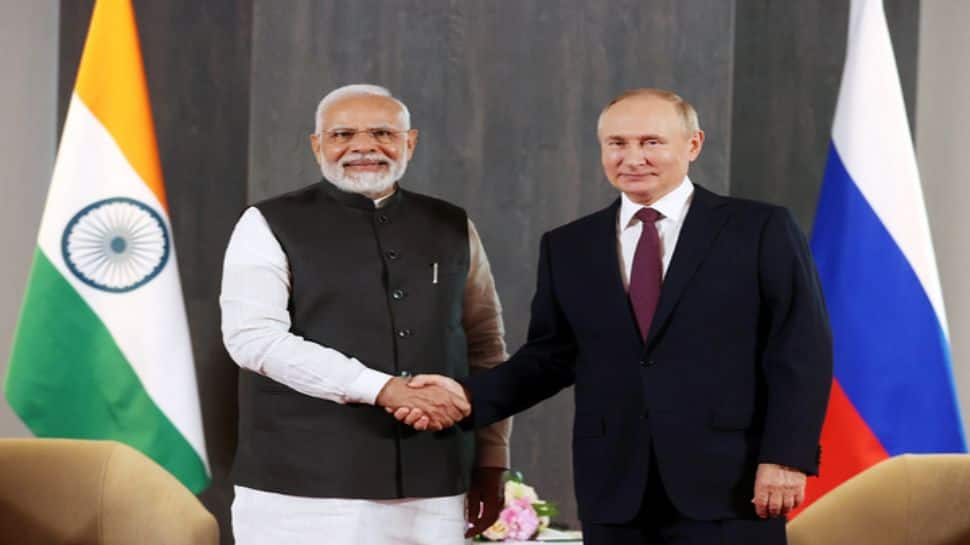


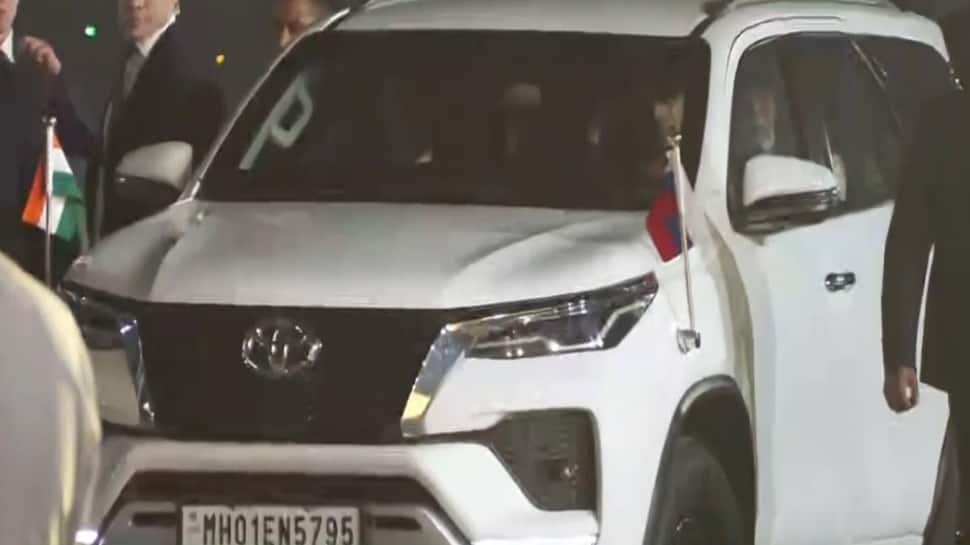
Prime Minister Narendra Modi made a notable protocol exception upon Russian President Vladimir Putin’s arrival in Delhi, personally greeting him at the airport. This significant gesture, which saw the leaders shake hands on the tarmac, immediately set the tone for Putin’s state visit. The exchange was more than just a diplomatic nicety; it was a carefully orchestrated visual statement with far-reaching implications for international relations.
Reciprocating a gesture from Putin’s recent visit to Russia, Modi invited the Russian President into his own vehicle, a Toyota Fortuner, for the journey. This choice of transport was deliberate, underscoring a relationship built on mutual respect and strategic alignment. By eschewing more conventional, high-security vehicles in favor of a commonly used Indian SUV, both leaders projected a message of confidence and trust.
The decision for Putin to travel in the Fortuner, a model known for its utility rather than luxury, bypassed his usual heavily armored limousine. This choice signaled Moscow’s faith in India’s security arrangements and served as a subtle yet clear indication to other global powers, including Washington and Brussels, that India conducts its foreign policy on its own terms.
This display of personal rapport and independent policy signaling was particularly resonant given recent security concerns. The drive through Delhi in a standard Indian SUV, instead of a fortified vehicle, demonstrated a powerful narrative of national security and unwavering resolve. The image of the two leaders together in the Fortuner conveyed a potent message of India’s sovereignty, confidence, and its commitment to forging its own path on the global stage.