


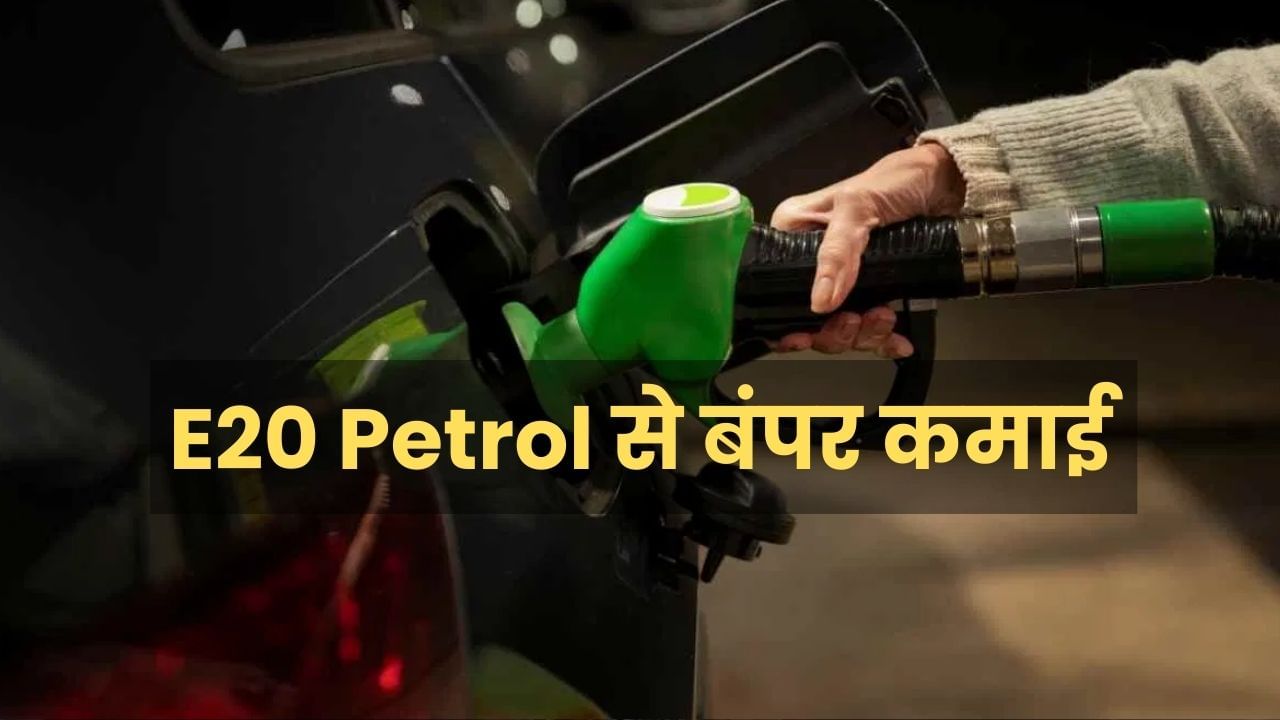
India’s shift towards E20 petrol is projected to generate approximately ₹40,000 crore in earnings for farmers this year. Furthermore, this move will help the government save about ₹43,000 crore in foreign exchange. This information was provided in a joint statement by the Automotive Testing Agency (ARAI), oil marketing companies, and vehicle manufacturers.
The ethanol-mixed petrol program was initiated in 2001 and has since gained momentum. The government’s objective is to reduce crude oil imports and increase farmers’ income. According to the statement, this initiative has led to a reduction of 736 lakh metric tons of carbon dioxide emissions, which is equivalent to planting 300 million trees.
**Significant Benefits Over 11 Years**
Since the program expanded over the last 11 years, India has saved approximately ₹1.44 lakh crore in foreign exchange. 245 lakh metric tons of crude oil have been replaced with ethanol. This program has transformed farmers from “food providers” to “energy providers,” as the money previously spent on crude oil imports is now flowing into the rural economy.
**Addressing Concerns About Mileage**
The statement also addressed concerns regarding the E20 fuel blend. It clarified that real-world vehicle mileage primarily depends on driving habits, maintenance, the age of the vehicle, and tire condition, rather than the ethanol content. Testing on older vehicles showed only a slight decrease in mileage.
**Advantages of E20**
Ethanol has an octane rating of 108.5, compared to petrol’s 84.4, which allows modern high-compression engines to run more smoothly, especially in city driving conditions. The addition of ethanol has improved the quality of petrol from RON 88 to RON 95 under BS-VI standards, preventing knocking and improving performance.
**Dispelling Rumors**
The statement also dismissed recent social media rumors claiming that ethanol-mixed petrol causes water to enter fuel tanks or affects insurance coverage. The All India Petroleum Dealers Association stated that they have received no customer complaints regarding ethanol blending across the country. Government officials and insurance companies have also confirmed that insurance for vehicles using ethanol petrol will remain fully valid, with no impact on warranties or coverage.