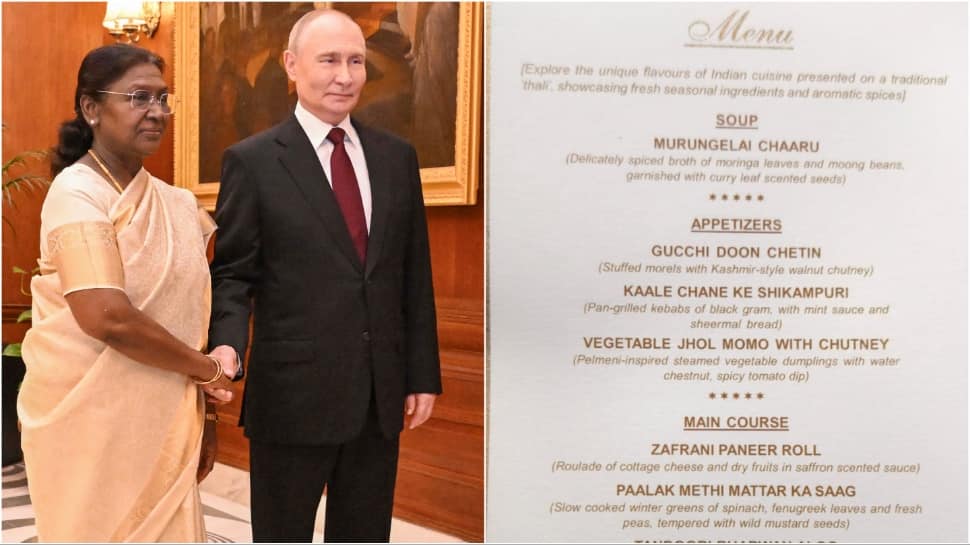
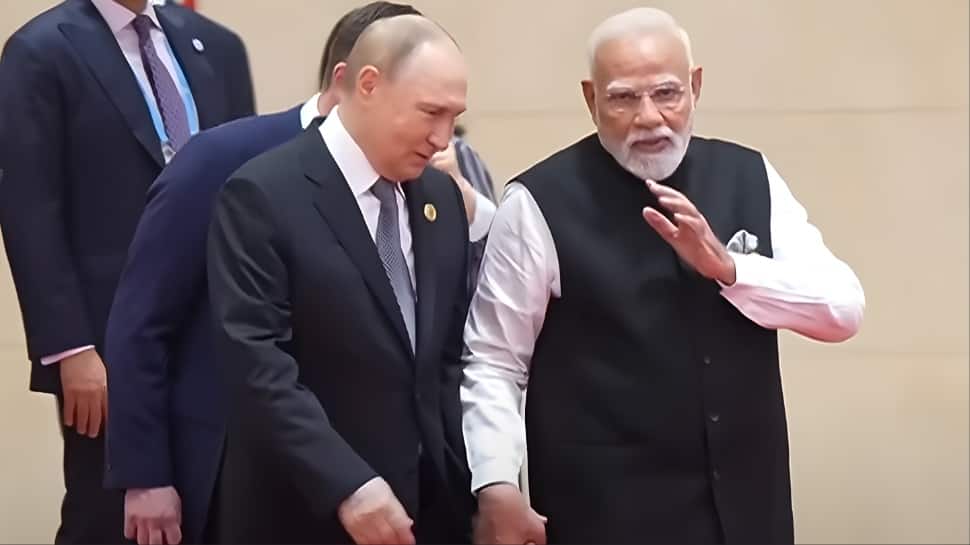


Russian President Vladimir Putin’s recent visit to New Delhi for the 23rd India-Russia Annual Summit was a significant event, underscoring the enduring strength of a long-standing partnership amidst a fractured global landscape. The summit clearly demonstrated India’s commitment to its foreign policy of strategic autonomy, choosing to navigate international relations independently rather than aligning with any single bloc.
The discussions resulted in a comprehensive set of agreements, including a “Vision 2030” roadmap for trade and technology, renewed commitments to energy and nuclear cooperation, and the crucial RELOS logistics pact. Additional pacts were made concerning labor mobility, healthcare, maritime training, and food safety, signaling a broad deepening of ties.
Geopolitical shifts, particularly Western sanctions against Moscow, have inadvertently bolstered India’s position. These sanctions pushed Russia towards Asia, with India becoming a key partner. This strategic realignment has been most evident in the energy sector, where India has benefited from discounted Russian crude oil, helping to manage inflation and ensure stable energy supplies.
Russia, facing technological and financial isolation from the West, seeks reliable partners for both exports and essential imports. India’s large market and growing global influence make it an ideal counterpart. For India, strengthening ties with Russia enhances its autonomy and expands its strategic options in an increasingly divided world.
India is adeptly balancing its relationships, fostering cooperation with the US and Europe while maintaining its historical connections with Moscow. This approach, characterized by abstaining on UN votes against Russia, increasing energy imports, and deepening defense ties with the West, is a testament to India’s flexible and deliberate diplomacy.
While this partnership presents challenges, including potential criticism from Western nations, the advantages are considerable. India positions itself as a key global player capable of engaging with diverse powers, thereby enhancing its leverage in a multipolar world.
The three core pillars of the India-Russia relationship—defense, economics, and energy—were central to the summit discussions. Defense cooperation remains vital, with Russia supplying essential equipment and upgrades. The new RELOS pact promises enhanced operational collaboration.
Economically, the goal is to reach $100 billion in annual trade by 2030, with exploration of a Free Trade Agreement with the Eurasian Economic Union and promotion of de-dollarized trade through RuPay-Mir payment system linkages.
In the energy sector, Russia has assured India of continued fuel supplies, with further cooperation planned in civil nuclear projects and critical minerals. Agreements on labor mobility are also set to create safer pathways for workers.
The summit showcased India’s multi-alignment strategy, reinforcing its independent foreign policy. The warm reception for President Putin highlighted the political importance India places on this relationship.
For Russia, India offers a counterbalance to its reliance on China. For India, Russia remains indispensable for defense and energy security. The recent summit marked a pragmatic recalibration, not a mere repetition of past engagements, solidifying a strategic partnership built on shared resilience and practical cooperation.